
The Psychology Behind Bluffing
Bluffing is a fundamental aspect of many card games, often determining the outcome of critical hands. At its core, bluffing leverages psychological principles to create doubt in opponents’ minds, especially when playing in anonymous casinos , where the stakes can be higher and strategies more intricate. Understanding the psychology behind bluffing involves recognizing not just the strategies employed by the bluffer, but also the reactions and thought processes of the opponents. The ability to read other players and gauge their reactions is essential for effective bluffing.
Emotions play a crucial role in how players respond to bluffs. Fear, confusion, and uncertainty can lead opponents to fold even when they have a superior hand. A successful bluff requires the player to project confidence and maintain a calm demeanor, even when their hand is weak. Advanced players develop the skills to recognize when their opponents are emotionally vulnerable and use that knowledge to enhance their bluffing strategies.
Moreover, the strategic timing of a bluff can be as critical as the bluff itself. Choosing the right moment, such as after a strong flop or during a high-stakes scenario, can increase the likelihood of success. Players must gauge the atmosphere at the table, considering factors like previous actions, the betting patterns of opponents, and even the stage of the game. Mastering these psychological elements of bluffing can lead to significant advantages in competitive settings.
Types of Bluffs
In the realm of card games, not all bluffs are created equal. Players typically employ several types of bluffs, each suited for different situations. A common type is the “pure bluff,” where a player bets or raises with a hand that has no chance of winning. This type relies heavily on the ability to read opponents and predict their reactions. If executed correctly, a pure bluff can force opponents to fold hands that might otherwise stand a chance.
Another prevalent form is the “semi-bluff.” Unlike pure bluffs, semi-bluffs occur when a player bets on a hand that has the potential to improve. This strategy allows the player to maintain some degree of safety; even if the bluff fails, they may still achieve a winning hand by the end of the game. Semi-bluffing is often viewed as a more nuanced approach, as it combines risk with the potential for genuine success in the ensuing hands.

Situational awareness is vital in determining which bluffing tactic to employ. Players must assess the dynamics at the table, their position, and the tendencies of their opponents. An effective bluffer will often shift between different types of bluffs, keeping their game unpredictable and challenging for opponents to decipher. Understanding the strengths and weaknesses of each type can significantly enhance one’s bluffing skills and overall gameplay strategy.
Reading Your Opponents
One of the most vital skills in mastering the art of bluffing is the ability to accurately read opponents. This skill involves observing behavioral cues that might indicate their confidence or uncertainty regarding their hands. Body language, facial expressions, and even betting patterns can reveal a lot about the strength of an opponent’s hand. Skilled players often develop intuition through experience, learning to recognize these subtle signals.
Additionally, a player’s own reactions can inadvertently provide information to their opponents. By being aware of how emotions may seep into expressions or gestures, players can work to mask their own tells while still being perceptive to those of others. The balance of deception and perception is crucial; a successful bluffer not only convinces opponents to fold but also ensures they remain unreadable themselves.
Furthermore, adapting to different players is essential. Not all players exhibit the same tells, and some may be better at concealing their emotions than others. By paying close attention to how opponents react over multiple hands, a player can identify patterns and adjust their bluffing strategy accordingly. This dynamic aspect of the game keeps players engaged and constantly learning from each interaction at the table.
Practical Tips for Successful Bluffing
When it comes to executing a successful bluff, certain practical tips can improve a player’s effectiveness. Firstly, establishing a solid table image is vital. A player known for playing conservatively may find it easier to pull off a bluff simply because opponents will attribute a stronger hand to their actions. Conversely, a player known for being overly aggressive may struggle to convince others that they have a weak hand. Understanding one’s image can greatly influence the success of bluffing attempts.
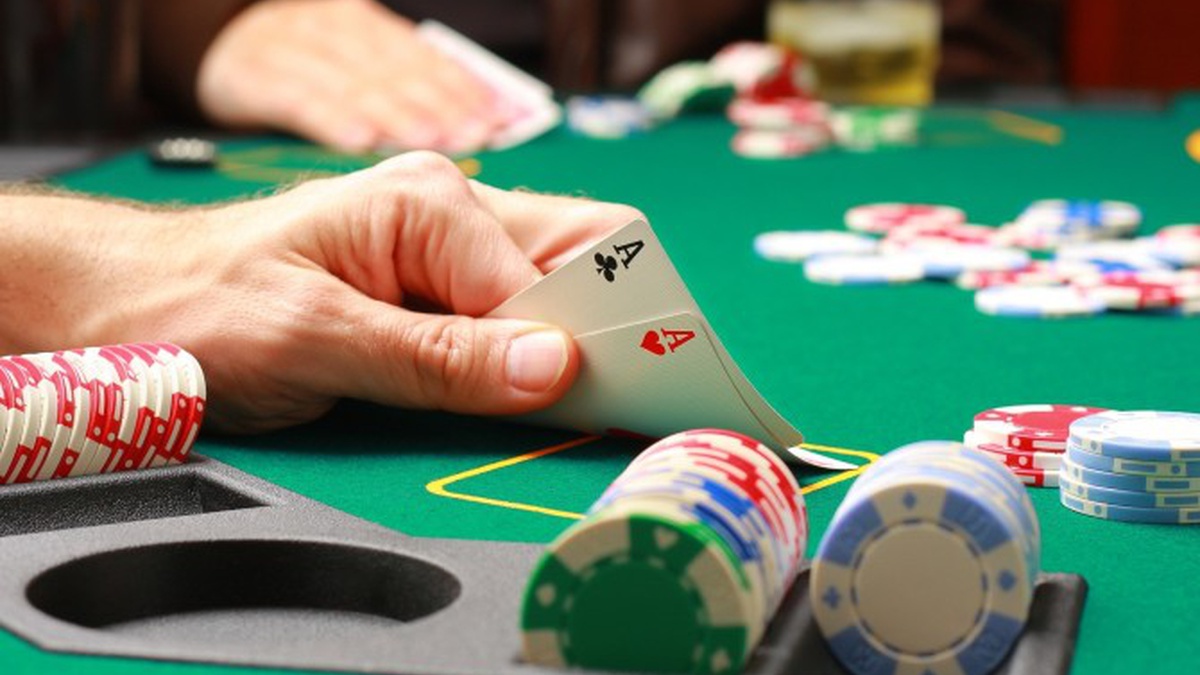
Moreover, it’s essential to consider the betting amounts and patterns throughout the game. A well-timed bet that corresponds with the actions of other players can create a plausible storyline, leading opponents to believe in the integrity of the bluff. For example, increasing the bet size can signal strength, while a smaller bet might indicate a willingness to risk a marginal hand. The strategic use of bet sizing is an art in itself and can significantly bolster bluffing tactics.
Finally, practice is key to honing bluffing skills. Engage in games with friends or use online platforms to develop a sense of timing, emotional control, and situational awareness. The more experience a player has with bluffing in various contexts, the better prepared they will be in real game scenarios. Learning from unsuccessful bluffs can also provide valuable insights that lead to future successes.
Developing Your Skills Through Online Resources
For those looking to enhance their bluffing skills further, numerous online resources can provide valuable insights and strategies. Various websites offer comprehensive guides and tutorials focused on the psychology of card games and bluffing techniques. Engaging with forums and communities dedicated to cards can also provide fresh perspectives and practical advice from seasoned players.
Online simulations and games can serve as an excellent training ground for budding bluffers. These platforms allow players to practice their skills in a risk-free environment, experimenting with different strategies without the fear of losing real money. Regular practice in these settings provides a safe space to refine timing, bet sizing, and psychological tactics essential for mastering bluffing.
Furthermore, watching professional players and tournaments can provide real-time examples of effective bluffing techniques. Analyzing their strategies and how they respond to various situations can offer deeper insights into the art of bluffing. By combining online resources with personal practice, players can build a solid foundation, ultimately leading to improved skills at the card table.